

What is Activated Alumina
Activated alumina is manufactured from aluminium hydroxide by dehydroxylating it in a way that produces a highly porous material; this material can have a surface area significantly over 200 m2/g. The compound is used as a desiccant (to keep things dry by adsorbing water from the air) and as a filter of fluoride, arsenic and selenium in drinking water. It is made of aluminium oxide (alumina; Al2O3). It has a very high surface-area-to-weight ratio, due to the many "tunnel like" pores that it has. Activated alumina in its phase composition can be represented only by metastable forms (gamma-Al2O3 etc.). Corundum (alpha-Al2O3), the only stable form of aluminum oxide, does not have such a chemically active surface and is not used as a sorbent.
Advantages of Activated Alumina
High adsorption capacity: Activated alumina has a large surface area and porous structure, enabling it to effectively adsorb a wide range of contaminants, such as water, gases, and impurities.
Selectivity: Activated alumina has a high affinity for certain contaminants, like fluoride and arsenic in water treatment applications, making it a highly selective adsorbent for targeted removal.
Regenerability: Activated alumina can be regenerated and reused multiple times by applying heat or using a suitable desiccant, which reduces costs and minimizes waste.
Durability: Activated alumina is a chemically stable material with resistance to thermal shock, making it suitable for high-temperature applications and ensuring a long service life.
Versatility: Activated alumina is used in various applications, including air and gas drying, water treatment, catalyst support, and chemical processing, due to its unique properties.
Environmentally friendly: As a non-toxic and non-hazardous material, activated alumina is a safe choice for various applications, including water treatment and air purification.
-

White spherical porous particles, non-toxic, odorless, insoluble in water and ethanol.
Add to Inquiry -
It is produced by activated roasting process, behaved hydration and hardening ability, with the main crystal phase of x-p and Y alumina.
Add to Inquiry -
Activated alumina pellets is a white, spherical porous material with good mechanical strength and no pulverization in water and alkali.
Add to Inquiry


Our Factory
Chalco has two production bases of Alumina chemicals: Chalco Shandong and Chalco Zhongzhou. Both plants possess the complete chain including mining, refining, processing, R&D, and manufacturing. Total capacity of Alumina chemicals has reached up to 1,200,000 tons per year.
Production Equipment
Both plants, Chalco Shandong and Chalco Zhongzhou, possess the complete chain including mining, refining, processing, R&D, manufacturing and logistics.
Our Product
Ordinary Aluminium Hydroxide, High Whiteness Aluminium Hydroxide for filler, Ultra Fine Aluminium Hydroxide, Zeolite, Calcined Alumina, Activated alumina, Pseudo-boehmite, Poly Aluminum Chloride.
Our Service
We create and develop solutions as per our client's demands on alumina chemicals.
Adsorption Capabilities of Activated Alumina


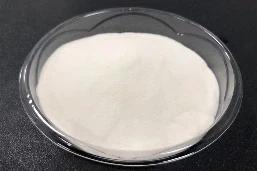
Activated alumina possesses exceptional adsorption properties, making it a valuable material for various applications. Its unique structure with a high surface area and abundant pore network enables efficient adsorption of various substances, including water, gases, and vapours.
The desiccant's adsorption capabilities make it versatile in water treatment, gas purification, and desiccant applications. Its widespread use in various industries as an efficient and reliable adsorbent improves process efficiency, product quality, and environmental protection.
Water Adsorption
One of the primary applications of activated alumina is in water treatment and purification processes. Activated alumina exhibits a strong affinity for water molecules, enabling it to effectively adsorb water from various sources, such as air, gases, and liquids. This property makes it an efficient desiccant for removing moisture and humidity in industrial processes and compressed air systems.
In water treatment, the desiccant is particularly useful for removing fluoride, arsenic, and other contaminants from drinking water sources. As water passes through a bed of activated alumina, fluoride ions are adsorbed onto the material's surface, producing safe and potable water. This process is commonly employed in municipal water treatment facilities and regions with high fluoride concentrations in natural water sources.
Gas and Vapor Adsorption
Activated alumina's high surface area and porosity make it suitable for gas and vapour adsorption. It is widely used in natural gas and petrochemical industries to remove moisture, carbon dioxide, sulfur compounds, and other trace impurities from gases and vapour streams. These impurities can cause corrosion and interfere with downstream processes, affecting the quality and efficiency of the final products.
In industrial gas purification applications, activated alumina acts as an effective adsorbent for removing acidic gases, such as hydrogen sulfide, sulfur dioxide, and various organic compounds. Its ability to selectively adsorb specific gases and vapours improves product purity and reduces environmental emissions.
Desiccant and Purification Applications
Activated alumina is a highly efficient desiccant in various applications requiring moisture removal. Its desiccant properties are harnessed in the pharmaceutical and chemical industries' compressed air dryers, gas drying systems, and dehydration processes. As an adsorbent, activated alumina can achieve low dew points, making it suitable for critical drying applications where even trace amounts of moisture can be detrimental.
The material's adsorption capabilities extend to the purification of liquids and gases, such as natural gas, air, and industrial process streams. Activated alumina is commonly used to remove impurities, such as water vapour, hydrogen sulfide, and volatile organic compounds (VOCs), from these streams, ensuring product quality and compliance with industry standards.
In air purification systems, activated alumina adsorb harmful gases and VOCs, improving indoor air quality and a healthier living and working environment. Its ability to selectively adsorb specific pollutants makes it an efficient choice for air purification in industrial and residential settings.
Application of Activated Alumina
Catalyst applications
Activated alumina is used for a wide range of adsorbent and catalyst applications including the adsorption of catalysts in polyethylene production, in hydrogen peroxide production, as a selective adsorbent for many chemicals including arsenic, fluoride, in sulfur removal from fluid streams (Claus Catalyst process).
Desiccant
Used as a desiccant, it works by a process called adsorption. The water in the air actually sticks to the alumina itself in between the tiny passages as the air passes through them. The water molecules become trapped so that the air is dried out as it passes through the filter. This process is reversible. If the alumina desiccant is heated to ~200℃, it will release the trapped water. This process is called regenerating the desiccant.
Fluoride adsorbent
Activated alumina filters can easily reduce fluoride levels from 10 ppm to less than 1 ppm. The amount of fluoride leached from the water being filtered depends on how long the water is actually touching the alumina filter media. Basically, the more alumina in the filter, the less fluoride will be in the final, filtered water. Lower temperature water, and lower pH water (acidic water) are filtered more effectively too. Ideal pH for treatment is 5.5, which allows for up to a 95% removal rate.
The fluoride uptake capacity (FUC) of commercial activated alumina can be up to 700 mg/kg. The FUC using V.K. Chhabra's method can be determined as follows:
Fluoride solution: Dissolve 22.1 g anhydrous NaF in distilled water and dilute to 1,000 mL. 1 mL = 10 mg fluoride. 10 mL/L = 100 mg/L fluoride.
Procedure
To one litre of simulated distilled water containing 100 mg/L of fluoride, agitate at 100 rpm using the jar test machine. Add 10 g of the AA under test. After one hour, switch off the machine and take out the solution. After 5 minutes, carefully decant the supernatant solution and determine the fluoride. Calculate the difference between the original and treated water fluoride concentration. Multiply the difference by 100 to give the fluoride uptake capacity of AA in mg/kg.
Vacuum systems
In high vacuum applications, activated alumina is used as a charge material in fore-line traps to prevent oil generated by rotary vane pumps from back streaming into the system. A baffle of activated alumina can also replace the refrigerated trap often required for diffusion pumps, though this is rarely used.
Biomaterial
Its mechanical properties and non-reactivity in the biological environment allow it to be a suitable material used to cover surfaces in friction in body prostheses (e.g. hip or shoulder prostheses).
Defluoridation
Defluoridation is the downward adjustment of the level of fluoride in drinking water. Activated Alumina process is one of the widely used adsorption methods for the defluoridation of drinking water.
The Role of Activated Alumina in Water Treatment
The importance of activated alumina in water treatment processes and water purification lies in its adsorption capabilities. Adsorption is the process by which molecules or ions adhere to the surface of a solid material, in this case, activated alumina. This process is highly effective in removing impurities from water, such as fluoride and arsenic, which can be harmful to human health when present in excessive amounts.
Fluoride removal
The Problem with excess fluoride in drinking water
Excessive fluoride in drinking water can lead to health problems, such as dental fluorosis, which causes discoloration and mottling of the teeth, and skeletal fluorosis, which can cause pain and damage to bones and joints. As a result, it is necessary to remove excess fluoride from the water supply to ensure safe drinking water.
How activated alumina removes fluoride
Activated alumina effectively removes fluoride through a process called adsorption, where fluoride ions are attracted to and held on the surface of the alumina particles. As water passes through a bed of activated alumina, the fluoride ions are adsorbed onto the alumina's surface, effectively reducing the fluoride concentration in the water.
Factors Affecting Fluoride Removal Efficiency
Several factors influence the efficiency of activated alumina in removing fluoride, such as pH levels, water temperature, and contact time. A lower pH level typically results in higher fluoride removal efficiency, while higher temperatures can reduce the effectiveness of the process. Additionally, longer contact time between the water and the activated alumina increases the amount of fluoride removed.
Arsenic removal
The dangers of arsenic in drinking water
Arsenic contamination in drinking water can cause severe health issues, including skin lesions, cancer, cardiovascular diseases, and neurological disorders. The World Health Organization (WHO) has set a guideline value of 10 µg/L for arsenic in drinking water, making it crucial to remove arsenic from water sources.
How activated alumina removes arsenic
Activated alumina can effectively remove arsenic from water through a similar adsorption process as it does with fluoride. As water passes through the activated alumina bed, arsenic ions are adsorbed onto the surface of the alumina particles, reducing the arsenic concentration in the water.
Factors affecting arsenic removal efficiency
As with fluoride removal, factors such as pH levels, water temperature, and contact time influence the efficiency of activated alumina in removing arsenic. Optimal pH levels for arsenic removal typically range from 5 to 6, while higher temperatures may reduce the effectiveness of the process. Longer contact time between the water and the activated alumina also increases the amount of arsenic removed.
Activated Alumina Properties and Structure
Activated alumina primarily comprises aluminium oxide (Al2O3), the main chemical constituent. It is an amphoteric oxide, which can act as both an acidic and basic material. The chemical formula Al2O3 reveals that activated alumina contains two aluminium atoms and three oxygen atoms bonded together. This composition imparts various properties to activated alumina, making it an excellent adsorbent and catalyst.
In addition to aluminium oxide, activated alumina may contain trace amounts of other elements, depending on the raw materials used during manufacturing. These impurities can influence the material's adsorption and catalytic capabilities. Common impurities include silica (SiO2), sodium oxide (Na2O), and iron oxide (Fe2O3), among others.
Particle Size: The particle size of activated alumina can vary depending on the application. It is available in various forms, including beads, pellets, granules, and powders. The choice of particle size affects the material's surface area, porosity, and adsorption capacity.
Surface Area: One of the most critical properties of activated alumina is its high surface area. The activation creates a vast network of pores and channels, resulting in a large internal surface area. The surface area typically ranges from 150 to 300 square meters per gram, providing ample active sites for adsorption and catalysis.
Porosity: Activated alumina is characterised by its high porosity resulting from the activated structure. The presence of many pores and voids enhances its capacity to adsorb and retain gases, liquids, and dissolved species.
Bulk Density: The bulk density of activated alumina can vary based on the manufacturing process and the intended application. It typically ranges from 0.6 to 0.8 grams per cubic centimetre (g/cm³).
Colour: Activated alumina is usually white or off-white, which can aid in identifying its purity and suitability for specific applications.

While they often perform the same process of adsorbing moisture, activated alumina and molecular sieve differ in many ways. Molecular sieve features pores whose size can be adjusted by ion exchange, allowing them to separate molecules based on size discrimination, a task other adsorbents are not capable of. This is why, for example, molecular sieve is used in the separation of ethanol and water. The sizes of the pores of activated alumina cannot be tailored and are not necessarily uniform. However, activated alumina has its own pros.
Activated alumina shows a higher affinity for water than molecular sieve, so it is often used in the drying of various gas and liquid streams, instances when it is important to adsorb the most moisture possible. Its high crush strength allows activated alumina to withstand the high pressures of industrial applications.
He main function of activated alumina is to be used as an adsorbent, so it has good adsorption, so we must pay attention to it during storage, especially not in a place with a relatively humid environment, so as not to absorb moisture , affect the use effect, in addition, the following aspects should be paid attention to when storing.
Water immersion is strictly prohibited: Activated alumina belongs to porous adsorption substances, so during transportation, storage and use, water immersion must be absolutely prevented, because after water immersion, water fills the active pores, reducing the ratio of activated alumina The direct contact between the surface and the gas will seriously affect the use effect.
It should be stored in a cool and dry place to prevent the inner and outer packaging bags from breaking, to prevent moisture and other substances in the air from being absorbed, which will affect the use effect. It is strictly forbidden to mix with toxic and harmful gases or volatile substances, and store them away from pollution sources.
Fire protection: When the activated alumina is stored or transported, it should be prevented from direct contact with the fire source to prevent fire. Avoid entering oxygen and regenerating during regeneration. After regeneration, it must be cooled down to below 800 ℃ with steam, otherwise the temperature will be high and it will be flammable when exposed to oxygen.
FAQ
We're professional activated alumina manufacturers and suppliers in China, specialized in providing high quality customized service. If you're going to wholesale high-grade activated alumina with competitive price, welcome to get free sample from our factory.
Activated Alumina Granules, activated alumina catalyst, activated alumina pellets