Structural characteristics of zeolite
Jan 02, 2022
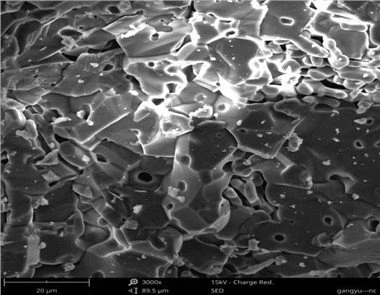
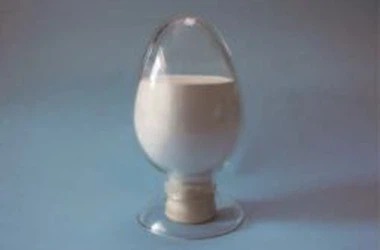
There are many species, 36 species have been found. Their common feature is that they have a shelf-like structure, that is, in their crystals, the molecules are linked together like a shelf, and many cavities are formed in the middle. Because there are still many water molecules in these cavities, they are hydrous minerals. This moisture will be discharged when it encounters high temperature, such as when it is burned with a flame, most zeolites will expand and foam, like boiling. This is where the name zeolite comes from. Different zeolites have different forms, such as analcite and chabazite are generally axial crystals, heulandite and pyroxene are plate-shaped, mordenite is needle-shaped or fibrous and so on. Various zeolites should be colorless or white if they are pure inside, but if they are mixed with other impurities, they will show various light colors. Zeolite also has a glass-like luster. We know that the moisture in zeolite can escape, but this does not destroy the crystal structure inside the zeolite. Therefore, it can also reabsorb water or other liquids. Therefore, this has also become a feature of people using zeolite. We can use zeolite to separate some of the substances that are produced during oil refining, to dry the air, to absorb certain pollutants, to purify and dry alcohol, and so on. Zeolite minerals are widely distributed. It is especially common in sedimentary rocks formed by pyroclastics, and is also found in soils.